
MMG Dugald River
Fast-tracked Configuration HMI Design Commissioning
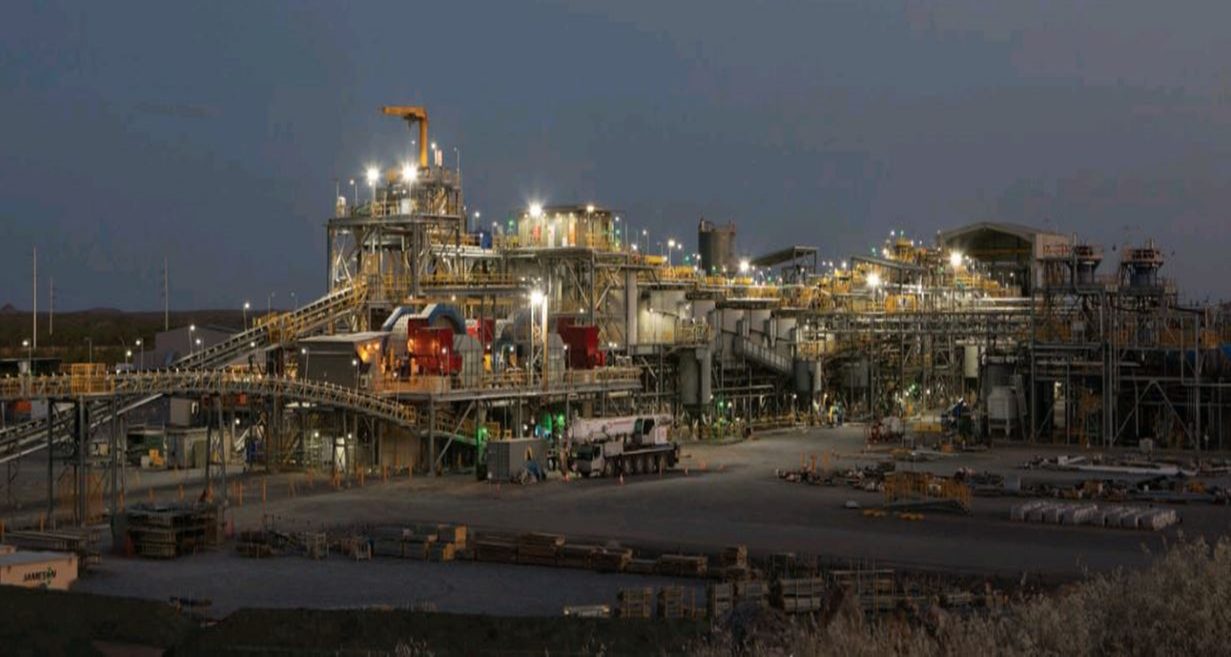
- Dugald River, 65km north-west of Cloncurry, Queensland
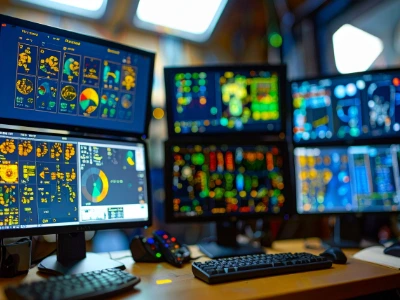
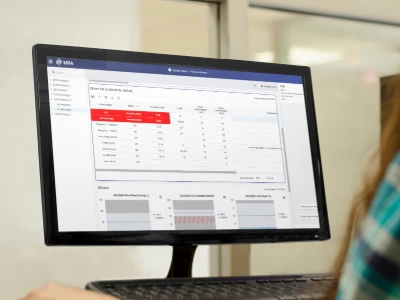
- Plant wide control system configuration, HMI design and commissioning
- I/O Count: 3200
- Control System: Schneider M580 PLC, Wonderware System Platform
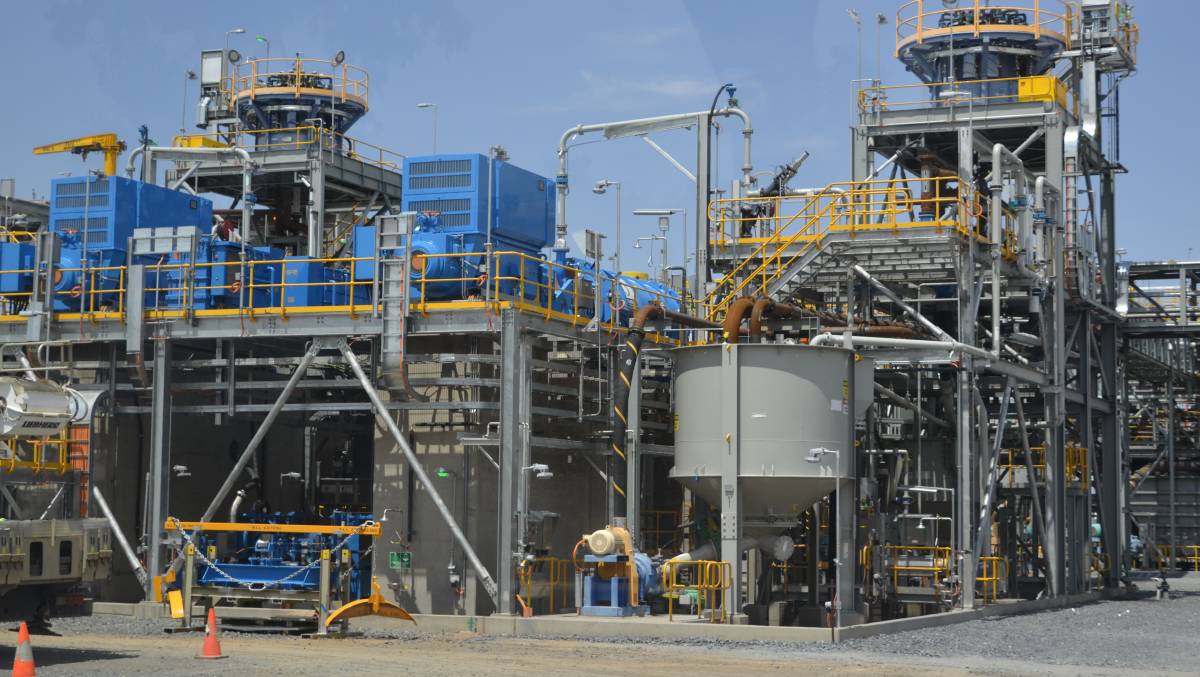
Dugald River Mine is an open field mine and concentrator located 65km north-west of Cloncurry in Queensland. Dugald River Mine is a global top 10 zinc mine processing on average 1.7Mtpa to produce 170Ttpa of zinc concentrate.
Project scope
- Plant wide control system, full concentrator, crushers to thickeners/filters
- Develop standards and functional descriptions
- Control system engineering, HMI design and configuration
- FAT (factory acceptance testing) and architecture optimisation
- Plant control system commissioning
Project highlights
- Fast-tracked project, first production achieved ahead of schedule
- Working seamlessly with Dugald River Mine stakeholders to achieve plant commissioning project milestones across multiple organisations
- Advised and developed control standards for MMG
- Smooth transition from project commissioning to operational support
Discover more of Mipac's projects
Operational efficiency in mineral processing is increasingly defined by stability, control quality and decision confidence, not new equipment. As ore variability increases and operating windows narrow, plants that focus on control, data integrity and operator capability are unlocking sustainable throughput and recovery gains without major capital spend.
Control system design is one of the most overlooked economic levers in mineral processing. When done well, it stabilises circuits, reduces downtime and transforms data into meaningful decisions. This article explores the hidden financial impact of strong control foundations and why they matter for leaders, metallurgists and control engineers alike.
Greenfield mining projects shape operational performance for decades. The most successful plants are not defined by equipment alone, but by how they are designed to behave under real variability. Lessons from major projects show that stability, control quality, digital architecture and commissioning readiness must be engineered from day one to create future-ready, optimisation-capable operations.